Surgery2026-04-30T11:42:10+00:00

Have Questions? Book Surgery Routine or Complex Here, your pet only gets the best.

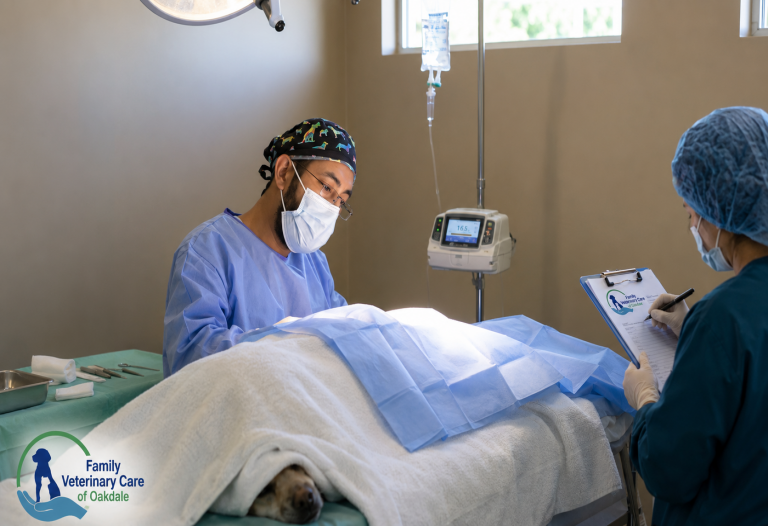
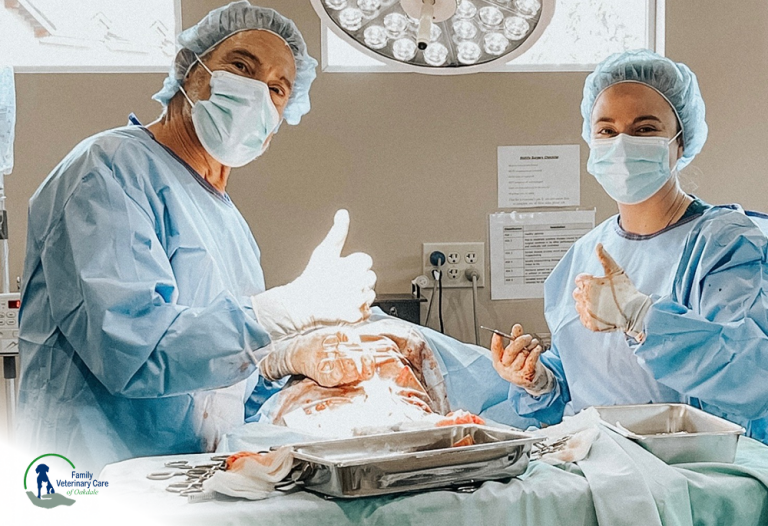
Gold-Standard Surgery Surgery is often necessary for your pet’s care, but we understand that surgery and anesthesia are always a concern for pet owners. At Family Veterinary Care of Oakdale, our hospital team goes above and beyond to uphold the highest medical standards to ensure your pet’s safety and welfare while they are under our care.Book Surgery Appointment Online

Modern, safe, effective surgical care
  • Pre-anesthetic screening tests — Each pet undergoes a complete physical examination and blood screening to evaluate organ function before anesthesia.
  • Customized anesthetic protocols — We use information from your pet’s health history and pre-anesthetic tests to customize the safest anesthetic plan for their needs.
  • Continuous monitoring — Your pet is assigned a dedicated team member who oversees their care for the day, including preoperative preparation, intraoperative monitoring, and post-operative recovery. We use advanced equipment and techniques to monitor vital signs and anesthetic depth throughout each procedure.
Anesthesia Schedule a Safe & Professional Surgery Visit We take anesthesia seriously, and we implement every possible precaution before, during, and after your pet’s procedure to ensure a smooth recovery. Our veterinarians use these strategies for a safe experience.
Family Veterinary Care of Oakdale

Canine TPLO ~ Tibial Plataeu Leveling Osteotomy Orthopedic Surgery with veterinarian Dr. Ram Singh

If your dog has torn their Cranial Cruciate Ligament (CCL) – the equivalent of the ACL in humans – we may recommend a TPLO (Tibial Plateau Leveling Osteotomy). The is one of the most common and effective orthopedic surgeries performed ondogs!

  • What is the CCL and Why Does it Tear? The CCL is a major ligament in your dog’s knee (stifle) joint. It keeps the upper leg bone (femur) from sliding backward off the lower bone (tibia). A dog’s CCL can tear from sudden trauma or because of a chronic, gradual degeneration exacerbated by the slope of their tibial plateau. Every time your dog puts weight on the leg, this slope causes a forward thrust, stressing the CCL until it eventually fails.
  • What Does TPLO Surgery Do? The goal of TPLO is NOT to repair the torn ligament (it’s often far too damaged), but to completely eliminate the need for it! 1. The Cut: A specific semicircular cut (osteotomy) is made into the top part of the tibia. 2. The Leveling: The surgeon rotates the cut piece of bone until the problematic slope is nearly level. 3. The Fix: A bone plate and screws are secured to the bone to hold this new, leveled angle in place.
  • The Result? When your dog bears weight, the forward thrust is gone. The new, level surface creates a stable joint, allowing your dog to walk without the instability caused by the torn ligament.
  • Key Takeaway TPLO is a permanent, biomechanical solution that gives your dog a stable, functional knee joint for years of happy, active life!

Questions about your dog’s recovery plan?

Surgeries we perform
    • Ovariohysterectomy (i.e., spay)
    • Orchiectomy (i.e., neuter)
    • Oral surgery
    • Mass excision
    • Ophthalmic surgeries
    • Urogenital surgeries (e.g., cystotomy, perineal urethrostomy)
    • Anal sacculectomy
    • Mastectomy
    • Limited orthopedic procedures
    • Abdominal procedures (e.g., laparotomy, gastrotomy, enterotomy)
    • Splenectomy
    • Cesarean section

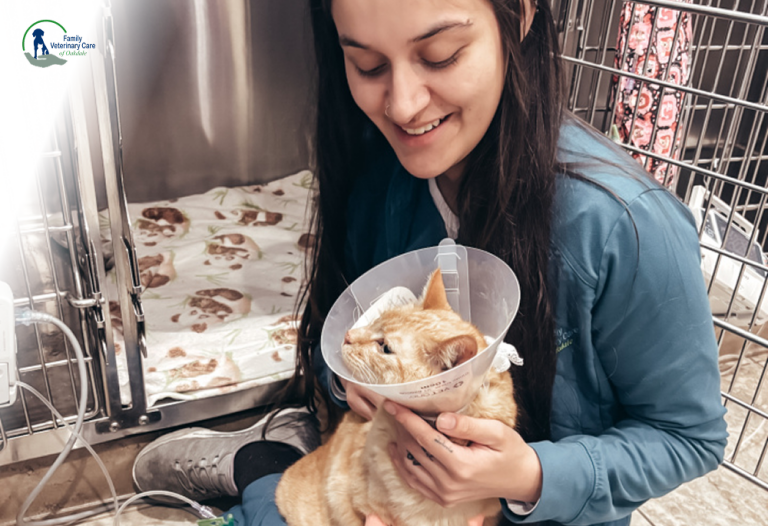
Pain can impede your pet’s recovery and cause not only physical discomfort but also emotional stress. However, we know that surgery causes pain, so we use research-backed pain management strategies that we begin in anticipation of a painful event and continue through recovery and home care. Strategies include multi-modal drug therapies, laser therapy, hot and cold therapy, and physical rehabilitation exercises.

Pain Management

Call Now

Pet Surgery Care FAQ

We perform a wide range of procedures including spay & neuter surgery, dental surgery, mass removals, gastropexy, cystotomy, endoscopy, enterotomy, gastrotomy, splenectomy, enucleation, stenotic nares, C-sections, ophthalmic surgery and orthopedic surgeries such as fracture repairs, amputations and TPLOs
Yes, anesthesia is generally very safe for pets during surgery at Family Veterinary Care of Oakdale. The veterinary team uses modern anesthesia protocols designed specifically for each pet based on their age, health, and procedure type. At our hospital, strict safety standards, pre-surgical evaluations, and advanced monitoring equipment help reduce risks and ensure pets remain comfortable and stable throughout surgery.
During surgery at Family Veterinary Care of Oakdale, pets are closely monitored from the moment anesthesia begins until recovery. The veterinary team continuously tracks vital signs such as heart rate, breathing rate, blood pressure, oxygen levels, and body temperature using advanced monitoring equipment. A trained veterinary professional remains with your pet throughout the procedure to ensure anesthesia levels stay safe and your pet remains stable.
Pain management is a priority at Family Veterinary Care of Oakdale. Pain control begins before surgery and continues during and after the procedure. The veterinary team uses multi-modal pain medications, laser therapy when appropriate, and supportive recovery care to keep pets comfortable. This approach helps pets treated at our hospital recover more comfortably and return to normal activity sooner.
Pet owners choose Family Veterinary Care of Oakdale for surgery because the clinic provides experienced veterinary care, modern surgical equipment, and individualized anesthesia protocols. The team carefully monitors pets before, during, and after surgery to ensure safety and comfort. As a locally owned veterinary hospital, we focus on compassionate, personalized care to help dogs and cats receive safe treatment and a smooth recovery.
The team at Family Veterinary Care of Oakdale ensures surgical safety through multiple protective steps. These include a thorough pre-surgical exam, recommended blood testing, customized anesthesia protocols, and continuous monitoring of vital signs such as heart rate, breathing, oxygen levels, blood pressure, and body temperature. A trained veterinary professional stays with your pet during the entire procedure and maintains stability and supports a safe recovery.

Pain can impede your pet’s recovery and cause not only physical discomfort but also emotional stress. However, we know that surgery causes pain, so we use research-backed pain management strategies that we begin in anticipation of a painful event and continue through recovery and home care. Strategies include multi-modal drug therapies, laser therapy, hot and cold therapy, and physical rehabilitation exercises.

Pain Management

Call Now

Surgery Blog

1003, 2025

Foreign Body Removal Surgery in Pets: Signs, Treatment, and Recovery

Understanding Foreign Body Removal Surgery in Pets: A Veterinary Guide Foreign Body Ingestion: A Serious Medical Emergency Pets explore the world with their mouths, which sometimes leads to ingesting non-food items. These foreign bodies—ranging from toys and bones to clothing, string, and household objects—can pose serious health risks, including gastrointestinal [...]

110, 2024

Spaying & Neutering Your Pet: Healthier Pets & Happier Homes in Oakdale

Understanding the Benefits of Spaying or Neutering Your Pet: A Comprehensive Guide by Family Veterinary Care of Oakdale At Family Veterinary Care of Oakdale, we are committed to providing the highest standard of care for every pet that walks through our doors. That includes empowering pet owners to make informed [...]
2203, 2024

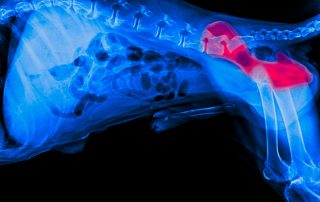
A Dog Owner’s Guide to Hip Dysplasia

Hip dysplasia commonly affects canine hip joints, especially those of large-breed dogs, resulting in pain, discomfort, and reduced mobility. Understanding this skeletal condition can help you ensure your dog remains comfortable and active. Read our Family Veterinary Care of Oakdale team’s guide to learn about this disorder’s causes and signs, [...]

2602, 2024

What Pet Owners Should Know About Pyometra

Hormonal changes in a female pet’s reproductive tract can lead to a serious infection called pyometra that, if not treated promptly, is a life-threatening condition for your pet. Our Family Veterinary Care of Oakdale team wants to help prevent an emergency situation, and we offer information about pyometra and explain [...]

Go to Top